 The Gold Standard in Veterinary Imaging
Diagnostic Evaluation
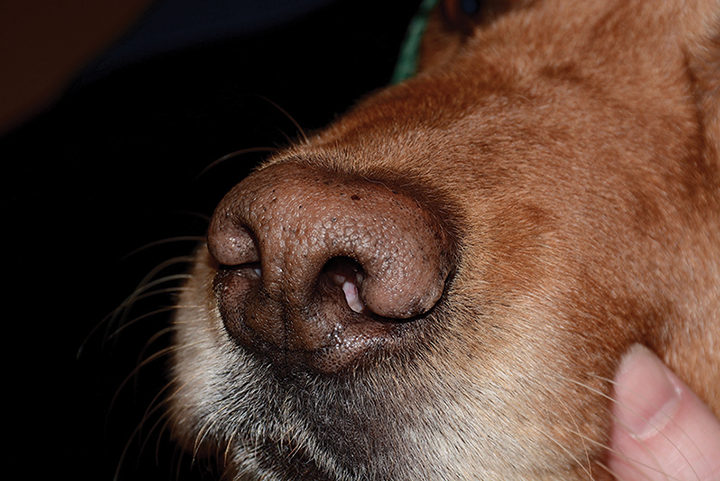
Nasal infections (bacterial, viral, fungal, or secondary to dental disease) create inflammation, discharge, and airway obstruction. Imaging helps evaluate extent, bony involvement, and rule out mass lesions or foreign bodies. CT is best because it shows turbinates, sinus communication, and bony changes with high detail. Plain radiographs can screen but are less sensitive. MRI is reserved for suspected soft-tissue extension. Ultrasound is uncommon for nasal diagnosis. Nuclear studies are not routine.