Veterinary Imaging Center
San Diego HQ
pets
San Diego, CA 92111
Providing a safe, effective, and lasting solution with I-131 Radioiodine Therapy, so your cat can get back to feeling their best.
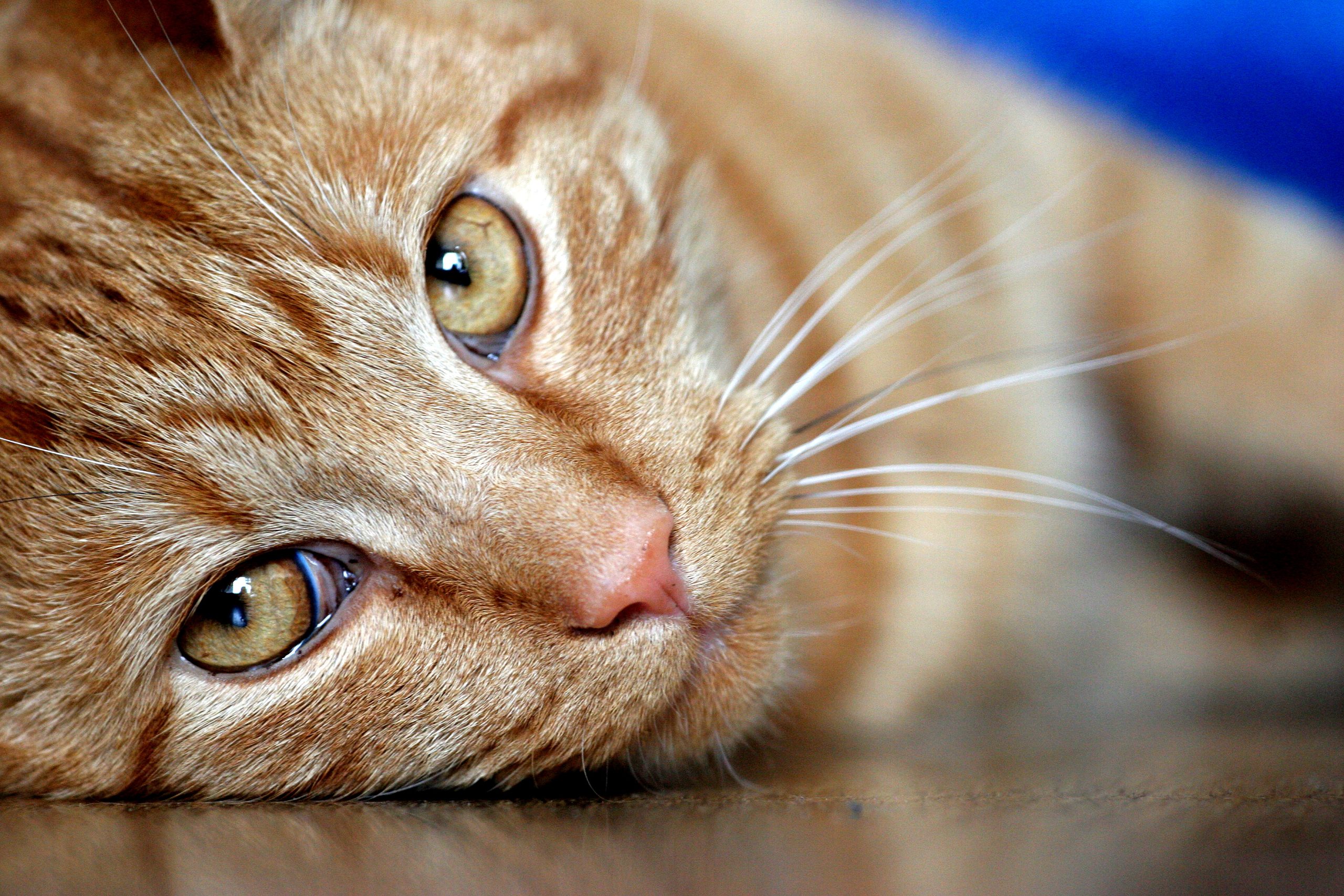
A Cure for Feline Hyperthyroidism
Safe, effective treatment to help your cat feel like themselves again
Hyperthyroidism is one of the most common conditions affecting older cats—but it’s also one of the few we can often treat successfully with a single therapy.
This condition is caused by a tumor in the thyroid gland (more than 97% are benign) that produces too much thyroid hormone. This creates an overactive metabolism that can affect your cat’s weight, heart, kidneys, and overall behavior.
Common signs you may notice:
Left untreated, hyperthyroidism can lead to serious complications, including heart disease and organ damage. Early diagnosis and treatment make a meaningful difference.
Understanding your treatment options
There are several ways to manage hyperthyroidism. The right approach depends on your cat’s health and your long-term goals.
I‑131 Therapy (Radioactive Iodine) — the gold standard
I‑131 therapy is considered the most effective and least invasive treatment available.
This approach treats the underlying cause, not just the symptoms. I-131 therapy requires your cat(s) be medically boarded at VICSD for the week (99% of cats are treated on Monday and discharged on Friday).
Learn about I-131 therapy:
Daily medication (Methimazole / Tapazole/ Felimazole)
Medication can help control hormone levels, but:
Prescription iodine-restricted diet
Dietary therapy may help in some cases, but:
Why many veterinarians recommend I‑131 therapy
I‑131 is the only treatment that can eliminate the abnormal thyroid tissue responsible for hyperthyroidism.
It is widely used because it:
Veterinary radiologists have long emphasized the value of advanced imaging and targeted therapies in improving diagnostic accuracy and outcomes. Educational materials authored by board-certified radiologist Dr. Seth Wallack highlight how modern imaging and treatment techniques—including CT and nuclear medicine—allow for more precise, effective care in veterinary patients.
What to expect with I‑131 therapy
Treatment day
Your cat receives a single injection of radioactive iodine. The treatment is painless and does not require surgery.
Hospital stay
Because of strict safety regulations, your cat will stay with us for a minimum of 5 days. This allows radiation levels to safely decrease before returning home.
Monitoring and communication
While your cat is with us:
You can also:
Expected outcomes
Most cats gradually return to a more normal weight, energy level, and behavior in the weeks following treatment.
Why choose VICSD for I‑131 therapy?
We are proud to be a leader in the diagnosis and treatment of feline hyperthyroidism.
What sets us apart:
Our approach is grounded in advanced radiology expertise and a commitment to applying the latest diagnostic and therapeutic techniques in veterinary medicine.
Our comprehensive care approach
Every I‑131 treatment includes:
Why careful screening matters
Hyperthyroidism can sometimes mask other underlying conditions—especially kidney disease.
To ensure safety, we may recommend:
This helps ensure we are treating the patients safely and effectively.
After your cat returns home
Once home:
We work closely with your veterinarian to monitor recovery and long-term health.
You will also receive clear instructions to ensure safe care for your family and your cat during the short post-treatment period.
Helping your cat live a longer, healthier life
Hyperthyroidism can be a serious diagnosis—but it is also one of the most treatable.
Our goal is simple:
Deliver safe, effective care that restores your cat’s health—and your peace of mind.
San Diego HQ